
Your “Coastal Awareness” Toolkit
Since we aren’t baking a cake today, our “ingredients” look a little different. Think of this as your essential, easy-to-gather toolkit for navigating the beach with confidence and caution.
- 1 pair of sharp, observant eyes: Essential for scanning the horizon before you even unpack your beach bag. Substitute: A quick chat with the local lifeguard about current water conditions.
- 1 part Healthy Respect: The understanding that the ocean’s magnitude is difficult to comprehend and should never be underestimated. Substitute: A firm, non-negotiable rule with your family: “If the water looks weird, we stay on the sand.”
- 1 Trusted Beach Buddy: Someone who can keep an eye on the kids (or you!) while you are enjoying the shore. Substitute: Always swimming or wading within sight of a flagged, guarded area.
- A generous dash of Calm Decision-Making: The ability to pivot your plans without panic if the ocean conditions change. Substitute: A good book, a beach umbrella, and a picnic to enjoy safely on the dry sand.
Step-by-Step Guide to Reacting to Square Waves
Let’s walk through a simple, methodical routine to handle this situation so you can enjoy your beach day without compromising your safety.
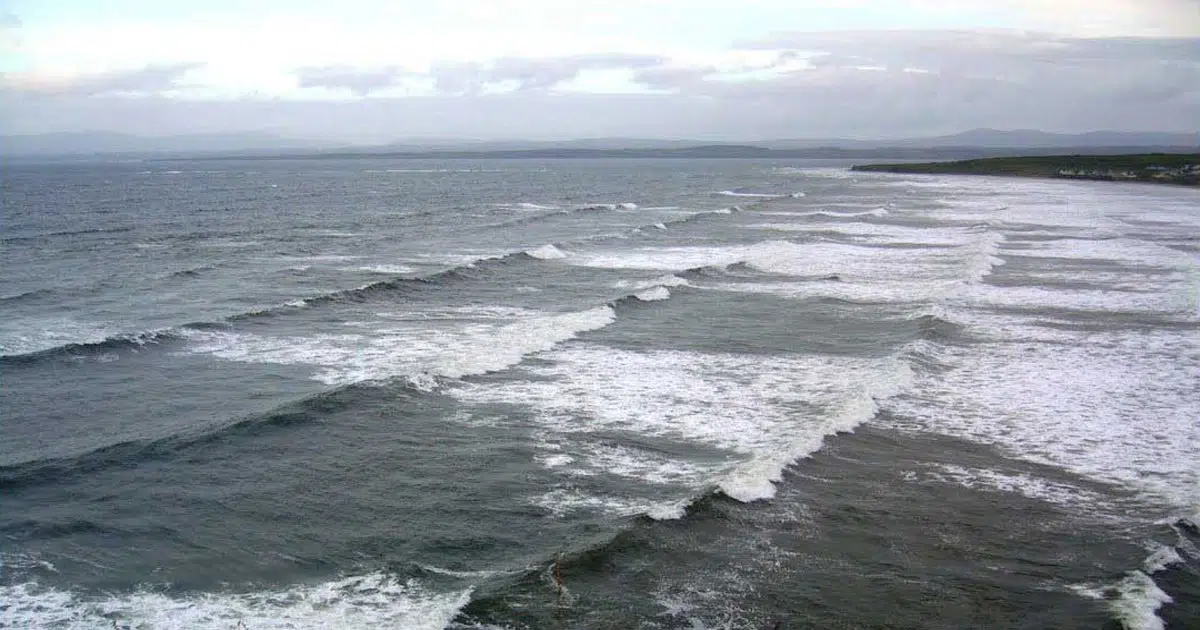
Step 1: Spot the Grid Take a good, long look at the water. A cross sea occurs when two different weather systems or wind patterns produce wave systems that travel at opposite or intersecting angles. Instead of rolling in uniformly, these opposing waves crash into each other, forming those distinct, chessboard-like squares.
Step 2: Keep Your Feet on the Sand As soon as you identify this pattern, the rule is simple: do not enter the water. It doesn’t matter if you are an Olympic swimmer or if the water looks calm between the squares. The danger is hidden just beneath the surface.
Step 3: Alert the Authorities If you are at a guarded beach and the lifeguards haven’t noticed the shift in conditions yet, politely point it out to them. They are trained to handle this and will likely raise a red flag or post a warning to keep everyone out of the water.
Step 4: Educate Your Group Calmly If you are with children, friends, or family who are eager to jump in, gently explain why you are staying on the shore. You can say, “The waves are crashing from two different directions right now, which creates hidden, powerful currents. Let’s build a sandcastle instead and watch the ocean do its thing from a safe distance.”
Pro-Tips for Maximum Safety
- Don’t let the calm fool you: The areas between the square waves might look like smooth, flat water, but they are often the exact pathways of chaotic, multi-directional rip currents.
- Boats are at high risk, too: If you are on a boat, a cross sea is a major hazard. Vessels are designed to power through waves head-on. When waves hit from four different directions simultaneously, it can easily destabilize and capsize a boat. If you are boating and see this, head to shore immediately.
- Respect the “After-Storm” window: Cross seas most commonly form when a storm is passing and a new wind pattern begins to blow in a different direction than the old one. If the weather has just shifted, be extra vigilant.
“Serving” Ideas: How to Share Coastal Safety
Once you’ve armed yourself with this knowledge, how do you serve up this peace of mind to the people you care about?
- The “Family Teachable Moment” Variation: Turn this into a fascinating, screen-free science lesson for the kids. Explain how wind and weather create waves, and how two different “recipes” of wind can mix to create a grid. It transforms a scary situation into a moment of wonder and learning.
- The “Lifeguard Partnership” Serving Idea: Make it a habit to always set up your beach chair within sight of a lifeguard stand. Introduce yourself to them when you arrive. Building a friendly rapport means they are more likely to keep a watchful eye on your specific spot.
- The “Community Share” Route: If you live near the coast or visit often, share this information in your local community Facebook group or with your vacationing friends. A simple, “Hey everyone, just a reminder to look out for square waves this weekend!” can genuinely prevent a tragedy.
Frequently Asked Questions
What exactly causes square waves in the ocean? A cross sea is created when two different weather systems collide. For example, a storm might generate waves traveling north, and as the storm clears, a new wind begins blowing from the east. These two distinct wave systems intersect, creating the grid-like pattern on the surface.
Are square waves common? They are relatively rare. Because they require a very specific set of changing weather and wind conditions, you won’t see them every day. However, they are most frequently observed in certain coastal areas known for rapidly shifting weather patterns, like the coast of France or the Outer Banks of North Carolina.
Can experienced swimmers or surfers handle a cross sea? No. Even the most seasoned professionals avoid cross seas. The intersecting waves create highly unpredictable, chaotic rip currents that can pull a swimmer under or drag them out to sea in seconds. No amount of swimming skill can outsmart a multi-directional current.
What should I do if I accidentally get caught in a rip current? First, do not panic, and do not try to swim directly back to shore against the current—you will exhaust yourself. Instead, swim parallel to the shoreline until you are out of the current’s pull. Once you are free, you can safely swim at an angle back to the beach. If you can’t swim out of it, float or tread water and wave for help.
A Final Thought
The ocean is a masterpiece of nature, capable of breathtaking beauty and immense power all at once. Seeing a cross sea is a rare privilege, a visual reminder of the complex, invisible forces that shape our world.
But true appreciation of nature requires respect. By learning to recognize the subtle warning signs of a cross sea, you aren’t giving in to fear; you are choosing wisdom. You are ensuring that your beach memories remain joyful, safe, and filled with the simple, comforting sound of the waves from the safety of the shore.
Have you ever witnessed square waves in the ocean, or do you have a favorite, foolproof beach safety rule your family follows? Drop a comment below and share your stories—I would absolutely love to hear from you! And if you know a friend or family member who loves the beach, please share this article with them. Here’s to sunny days, safe shores, and a deep, respectful love for the sea!